





Temple Hill flat removals access tips Dartford
Posted on 14/07/2026
Temple Hill flat removals access tips Dartford: a practical guide for a smoother moving day
If you are planning a move in Temple Hill, the biggest headache is often not the boxes. It is access. Narrow approaches, shared parking, stairwells, awkward entry points, and the simple fact that flat moves rarely behave exactly as planned can turn a tidy schedule into a stressful one. This guide to Temple Hill flat removals access tips Dartford is built for people who want the move to feel controlled, not chaotic. We will cover what access planning actually means, why it matters in Temple Hill, how to prepare your flat and vehicle access, and the small details that make a surprisingly big difference on the day.
To be fair, most removals are manageable if you think ahead by a few steps. The trouble starts when people assume the van can just pull up, the lift will be free, or the staircase will be straightforward. That is rarely the whole story. Below, you will find a grounded, local-minded approach that helps you avoid those last-minute scrambles and keeps everyone safer, calmer, and less likely to mutter under their breath by 9:30 in the morning.
For a broader look at the company's approach and values, you can also read about us and see the wider services overview before you book.
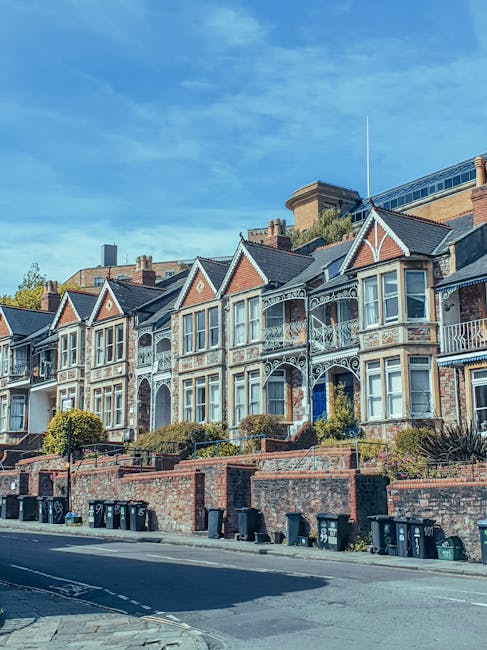
![A residential street with a row of colorful terraced houses painted in pastel shades of pink, yellow, blue, and green, positioned closely along the pavement. Several parked cars, including a silver hatchback in the foreground and other vehicles further down the street, occupy designated parking bays and partly extend onto the road. The street's surface is asphalt with visible road markings, and there are utility poles with overhead wiring running parallel to the houses. In the background, a hill with lush greenery and trees features a tall electrical pylon, against partly cloudy skies. The scene captures a typical urban environment suitable for home relocation or furniture transport, with the surrounding environment indicating a quiet residential area that [COMPANY_NAME], such as Man With a Van Dartford, might service for removals or moving logistics. The image is well lit with natural daylight, emphasizing the clarity of the parked vehicles, the vibrant house facades, and the overall setting for loading or unloading activities involved in packing and moving tasks.](/pub/blogphoto/temple-hill-flat-removals-access-tips-dartford1.jpg)
Why Temple Hill flat removals access tips Dartford matters
Flat moves are different from house moves. There is usually less space to work with, more shared areas to respect, and a lot less room for improvisation. In Temple Hill, access planning matters because even a small delay can ripple through the whole day. If a van cannot stop close enough, if a lobby is busy, or if the wrong parking spot is used, the job takes longer and the risk of damage goes up. Simple as that.
Temple Hill also has the kind of everyday urban features that make access planning worth doing properly: residential blocks, communal walkways, shared entrances, and the usual mix of busy roads and tight parking. None of that is unusual in Dartford, but it does mean you benefit from a plan rather than a guess. And if you are moving in or out during a school-run hour, a rainy afternoon, or a weekend when everyone seems to be out and about, the margin for error gets smaller.
The practical point is this: access planning protects your time, your belongings, and your neighbours' patience. It also helps a removal team work efficiently, which often matters more than people expect. If you want a fuller picture of local life around the area, the article on Dartford as a suburban destination gives useful context, especially if you are new to the town.
Expert summary: good access planning is not about making the move fancy; it is about removing friction before it appears. In flat removals, one well-timed parking decision can save half an hour. Sometimes more.
How Temple Hill flat removals access tips Dartford works
When people talk about access for a flat removal, they usually mean four things: where the van can stop, how the removal team gets from van to front door, what happens inside the building, and whether the larger or heavier items can move safely through the space. Those four factors decide whether the move feels smooth or a bit of a slog.
The process usually starts before moving day. A good plan checks the following:
- Vehicle access: can a removal van stop near the entrance without blocking traffic or breaching building rules?
- Walking distance: how far is the carry from the van to the flat?
- Internal access: stairs, lift, narrow turns, low ceilings, or pinch points inside the building.
- Item handling: whether sofas, wardrobes, white goods, or fragile pieces need extra protection or more than one person to carry.
In practice, a removal team will often adapt the method to the property. A ground-floor flat with easy frontage might suit a quick loading setup. A third-floor flat with a shared stairwell may need staged carrying, more protective wrapping, and a more deliberate sequence. The point is not to overcomplicate things. The point is to remove avoidable problems.
For people comparing ways to move, it may help to think about the service style too. A small load with flexible timing may work well with man with a van Dartford, while a larger flat move might be better suited to flat removals Dartford or even a wider removal services Dartford package.
Key benefits and practical advantages
Access planning does not just make the move less annoying. It gives you practical advantages that show up in real ways on the day.
- Faster loading and unloading: less walking, fewer stoppages, better rhythm.
- Lower damage risk: fewer tight corners and fewer rushed lifts.
- Better neighbour relations: less blocking, less noise, less frustration in shared areas.
- More accurate timing: if access is mapped properly, arrival windows and task order are easier to predict.
- Less stress for you: and let's face it, this matters more than the spreadsheet version of the move.
There is also a subtle benefit people overlook. Good access planning helps you decide what should be moved, what can be dismantled, and what should perhaps go into storage or be replaced instead. That kind of judgement can save money and energy. If your belongings need a temporary home, look at storage in Dartford as part of the wider plan.
And if you are comparing providers, a transparent quote matters. A page like pricing and quotes can help you understand what influences the final cost, especially where access conditions are less straightforward.
Who this is for and when it makes sense
This guide is useful for anyone moving in Temple Hill, but it is especially relevant if you fall into one of these groups:
- Tenants in flats or maisonettes who need to work around shared entrances or a lift booking system.
- First-time movers who have not managed a flat removal before and are not sure what counts as "good access".
- Busy families trying to coordinate children, furniture, parking and keys all at once.
- Students moving a lighter load but still needing reliable access and timing, especially when term dates are tight.
- Landlords or letting agents arranging a handover where the staircase, parking bay, or entry route needs to be kept tidy.
- Anyone moving bulky items like beds, wardrobes, or a treasured piano that does not enjoy awkward corners one bit.
If you are moving on short notice, the pressure is even higher. In that case, a service such as same day removals Dartford may be the difference between calm action and a day spent juggling phone calls. For smaller or student-sized moves, the dedicated student removals Dartford page is worth a look too.
Step-by-step guidance
If you want the move to go smoothly, work through access in a structured way. Here is a practical sequence that keeps things tidy.
- Walk the route from the van point to your flat. Notice gates, bollards, kerbs, steps, ramps, narrow turns, and anything that would be awkward with a sofa or a mattress.
- Check parking reality, not parking theory. A space that exists on paper but is usually taken by residents is not much help. If you need a loading bay or a temporary stop, build in a backup.
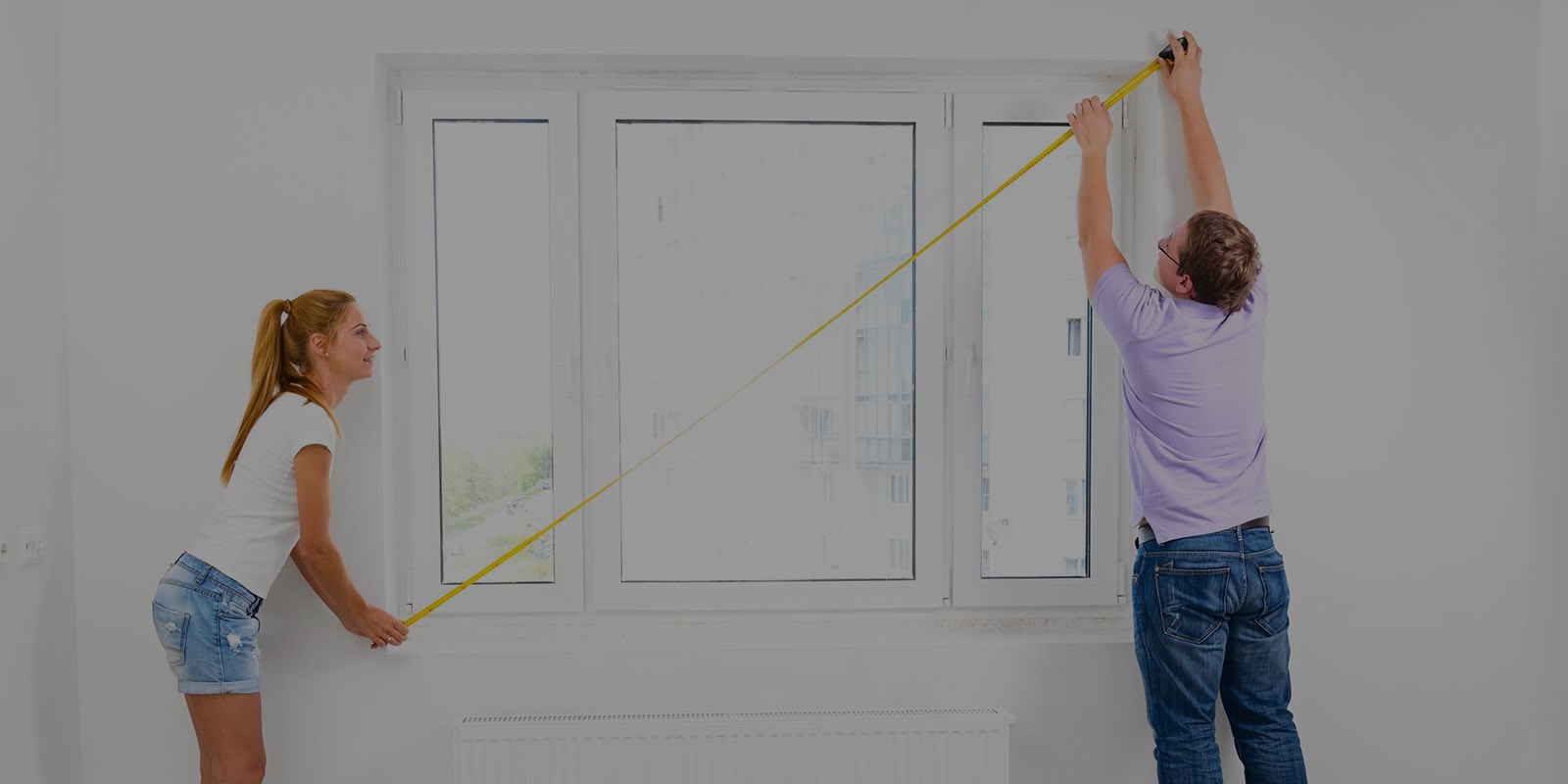
- Measure larger items. Wardrobes, bed frames, sofas and appliances can look manageable until they meet a stair turn. A tape measure saves embarrassment later.
- Ask about lifts early. If the building has a lift, check whether it is available, whether there are booking rules, and whether the size is practical for your largest items.
- Flag any difficult items in advance. Heavy furniture, glass pieces, and awkward corners need more planning than boxes of books.
- Protect communal areas. Use blankets, corner protectors, and sensible carrying order so hallways and stair railings stay unmarked.
- Prepare keys, codes and contact numbers. A delay at the door can mess up the whole timetable, and nobody wants that little scramble at 8 a.m.
- Confirm arrival timing with a realistic buffer. If traffic or parking is unpredictable, leave space for it. A move planned too tightly often becomes a stress test.
If you are moving furniture as part of the flat move, it is worth checking whether specialist handling is needed. A bulky sofa and a dining table can behave very differently in a stairwell. For more on that, see furniture removals Dartford and, for larger home moves, house removals Dartford.
Expert tips for better results
Here are the things experienced movers quietly pay attention to. They are not glamorous, but they work.
1. Book the loading point before you book the van in your head
That sounds obvious, but it is where many people go wrong. They assume there will be space near the door. In Temple Hill, a small change in parking position can mean a noticeably longer carry. If possible, know exactly where the van should stop and what to do if that space is unavailable.
2. Split the move into zones
Rather than treating the flat as one giant pile of belongings, divide it into kitchen, bedroom, lounge and essentials. This keeps the team moving in a sensible order and prevents one messy room from slowing everything else down.
3. Dismantle furniture you know will struggle
Let's be honest, some furniture simply does not love staircases. Beds, large wardrobes, and certain tables are often easier to move once partially dismantled. Keep the fixings in labelled bags, not "safe somewhere". That phrase has ended many a decent morning.
4. Protect the building, not just the goods
It is tempting to focus only on your things, but shared hallways, lifts, and railings matter too. A careful removal team will use proper lifting methods and protective coverings where needed. That reduces friction with neighbours and building managers.
5. Ask about van size with honesty
A smaller van can be ideal for tight access, but if it means extra trips, it may cost more overall. A larger van may save time if the road and parking allow it. The best choice is the one that fits both the property and the load. If you are unsure, a removal van Dartford option can help you match vehicle size to the job.
6. Keep essentials separate
Put kettle, chargers, paperwork, medication, and a change of clothes in a separate bag. That way, if access becomes slower than expected, you are not digging through ten boxes for a phone charger while standing in a half-empty flat. Been there. Nobody enjoys it.
Common mistakes to avoid
Most access problems are avoidable. The tricky part is that they often sound small at the start.
- Not checking the entrance width before moving a large item.
- Assuming a lift will be free when you need it.
- Leaving parking arrangements until the last minute.
- Forgetting to tell the removals team about stairs, split levels, or long corridors.
- Overpacking boxes, which makes them hard to carry and more likely to break.
- Ignoring access at the destination because the focus stayed on the old flat.
- Trying to save time by skipping dismantling, even when the item is obviously a tight fit.
One of the most common mistakes is assuming access is "fine" because the property looked okay at the viewing. A viewing and a moving day are not the same thing. Different weather, different traffic, different neighbours, different set of boxes. Suddenly the route feels narrower. This is where a sensible removal company and good communication matter. If you want to compare providers, take a look at removal companies Dartford and the broader removals Dartford page.
Tools, resources and recommendations
You do not need a van full of gadgets, but a few basic tools make flat removals much easier.
- Measuring tape for doors, hallways, furniture and turning spaces.
- Strong tape and labels to keep boxes organised.
- Furniture blankets for protecting edges and surfaces.
- Gloves with grip to reduce slippage on awkward items.
- Ratchet straps or securing equipment for keeping items stable in transit.
- Clear bags for fixings so dismantled items can go back together without a small scavenger hunt.
For people who want a more hands-on packing phase, the packing and boxes Dartford page is a sensible companion resource. If you have a time-sensitive move or a difficult loading situation, a flexible man and van Dartford service can also be a practical fit.
You can also compare the broader service menu at removal services Dartford and, if you need more background on the team, revisit about us. Simple, but useful.
Law, compliance, standards, or best practice
For flat removals, the legal side is usually less about one dramatic rule and more about following sensible UK moving-day practice. That includes respecting building rules, avoiding obstruction, and carrying items safely so people and property are protected. In shared residential buildings, managers may have their own access conditions, lift booking arrangements, or requirements for protecting floors and walls. Those are not always legal obligations in the narrow sense, but they are often part of the practical reality of the move.
Best practice also means handling items in a way that reduces avoidable injury. Heavy lifting should be done carefully, with enough people for the weight and shape of the item. It is also wise to use proper equipment where needed rather than trying to be a hero for no good reason. The day does not award medals for lifting a wardrobe single-handedly. It just gives you a sore back.
Insurance matters too. You should understand what is covered, what is excluded, and how the team approaches risk around stairs, lifts and shared spaces. A good place to start is insurance and safety. If you like to understand terms before you book, terms and conditions and payment and security are worth a quick read.
For businesses moving out of flats converted into offices, or mixed-use spaces, the access issues may be different again. If that sounds familiar, the office removals Dartford page may be useful.
Options, methods, or comparison table
There is no single "best" way to handle a flat move. The right method depends on the size of the load, the access available, and how much help you need. Here is a straightforward comparison.
| Move method | Best for | Strengths | Watch-outs |
|---|---|---|---|
| Man with a van | Smaller loads, flexible timing, lighter flat moves | Quick to arrange, efficient for short carries, often cost-effective | May need multiple trips for larger loads |
| Flat removals service | Typical one-bedroom to multi-room flat moves | Better for bulky furniture, organised loading, more comprehensive support | Needs clearer planning around access and timing |
| Full removals service | Larger homes, complex loads, mixed items | Most support for packing, lifting and transport | Can be more than you need for a compact flat move |
| Same-day removals | Urgent moves or short-notice changes | Fast response, useful when timing is tight | Less room for error on access details, so preparation matters even more |
If you are moving a heavier or more delicate item as part of a flat move, specialist handling may be helpful. For example, a piano requires different planning from a box of books, and the same goes for certain antique furniture. That is where piano removals Dartford becomes relevant, even if the rest of the move is straightforward.
Case study or real-world example
Imagine a two-bedroom flat in Temple Hill with a shared entrance, a first-floor layout, and a parking area that looks generous until you realise half of it is usually occupied by residents by late morning. On paper, it sounds easy enough. In reality, the access plan decides whether the move feels smooth or choppy.
The first useful step would be checking the route from the parking point to the front door. If the carry distance is longer than expected, boxes should be stacked in a way that allows quick loading. A wardrobe could be dismantled the night before, while soft furnishings are wrapped and kept near the exit. The removal team would then work in a sensible sequence: large items first, then boxes, then the awkward odd-shaped bits.
Now add one more detail. The lift is available, but it is small. That means a sofa may not fit even if it looks close enough to try. Instead of discovering that on the day, the smarter move is to measure it in advance and plan for stairs if necessary. That one decision prevents the sort of awkward pause where everyone stands around, staring at the sofa, pretending a different angle might magically fix physics.
In that kind of move, a well-organised flat removals Dartford service can save time simply by knowing what to ask before the van arrives. It is a small thing, but small things compound fast on moving day.
Practical checklist
Use this checklist the day before your move, or even earlier if you can.
- Confirm the exact flat address and access route.
- Measure doorways, stairs, lifts and any narrow turns.
- Check parking rules and loading options near the building.
- Tell the removals team about steps, communal entrances and lift restrictions.
- Dismantle any large furniture that will not move cleanly as one piece.
- Label every box by room and priority.
- Pack an essentials bag with chargers, documents, medication and toiletries.
- Protect floors, corners and railings if required by the building.
- Keep keys, codes and contact numbers ready.
- Allow a bit of time margin. Always a bit.
If your move is likely to create a lot of leftover items, think about recycling or responsible disposal rather than leaving it to the last minute. The page on recycling and sustainability is useful for that side of the move.
And if you want to understand how the business handles questions or concerns, the site's complaints procedure can be useful context before booking. It is not the glamorous part, sure, but it does show that the process has been thought through.
Conclusion
Temple Hill flat removals are usually much easier when access is treated as part of the move, not an afterthought. Measure the route, understand parking, check lifts, flag awkward items early, and give the team enough information to work efficiently. That is the whole game, really. When access is sorted, everything else becomes lighter: the packing, the timing, the nerves, even the little bits of noise that come with moving in and out of a flat.
The good news is that you do not need a perfect building or a perfect schedule. You just need a clear plan and a sensible approach. If you are moving soon, start with the access route first, then work backwards from there. It is a calmer way to do it, and in our experience, calmer moves tend to go better. Funny how that works.
Get a free quote today and see how much you can save.
![A residential street with a row of colorful terraced houses painted in pastel shades of pink, yellow, blue, and green, positioned closely along the pavement. Several parked cars, including a silver hatchback in the foreground and other vehicles further down the street, occupy designated parking bays and partly extend onto the road. The street's surface is asphalt with visible road markings, and there are utility poles with overhead wiring running parallel to the houses. In the background, a hill with lush greenery and trees features a tall electrical pylon, against partly cloudy skies. The scene captures a typical urban environment suitable for home relocation or furniture transport, with the surrounding environment indicating a quiet residential area that [COMPANY_NAME], such as Man With a Van Dartford, might service for removals or moving logistics. The image is well lit with natural daylight, emphasizing the clarity of the parked vehicles, the vibrant house facades, and the overall setting for loading or unloading activities involved in packing and moving tasks.](/pub/blogphoto/temple-hill-flat-removals-access-tips-dartford3.jpg)

